

A Major Work of Careful Selection
The collection commonly called Sunan al-Nasa’i is also known as Al-Mujtaba and Al-Sunan al-Sughra. Compiled by Ahmad ibn Shu‘ayb al-Nasa’i, it belongs to the six principal Sunni hadith collections. Its place in that group reflects its enduring importance for the study of prophetic guidance and the evidence associated with religious practice. [1]
Readers should distinguish this selected collection from al-Nasa’i’s larger Al-Sunan al-Kubra. Both belong to his scholarly legacy, but they are not interchangeable titles for exactly the same book. When choosing an edition or checking a reference, identifying which collection is meant prevents confusion about contents and numbering.
The familiar Sunan gives substantial attention to purification, prayer, fasting, charity, pilgrimage, and other legal subjects. Its organization allows a student to examine reports within a practical topic. That arrangement connects the preservation of the Sunnah with the effort to understand how Muslims should worship and conduct their affairs. [2]
Why Similar Reports Appear Together
One important feature of al-Nasa’i’s work is attention to differences in transmission. Several reports may look very similar to an ordinary reader, yet their chains or wording can contain details that matter to specialists. Arranging them together makes comparison possible and preserves evidence that a brief summary could easily erase.
This should change how we respond to repetition. A repeated account may help reveal whether a narrator added a phrase, reported through a different teacher, or preserved a distinct version. The compiler’s work is not exhausted by the main message of the narration; the route by which that message was transmitted also matters.
Chapter headings can help us see why a particular version has been included. Before skipping to a translated conclusion, it is worth asking what question the chapter is examining. A commentary can then explain technical issues that would otherwise remain invisible, especially when a difference affects the evaluation or interpretation of a report.
Respecting the Collection and Its Limits
Al-Nasa’i’s reputation for careful criticism does not justify declaring every narration in the collection authentic without examination. Like the other Sunan works, it should be consulted with attention to individual hadith assessments. Respecting a compiler includes taking his scholarly method seriously rather than replacing it with a blanket slogan.
For a beginner, the most useful approach may be a short chapter studied with guidance. Notice the practical issue, read the reports together, and identify where the wording changes. Even when we cannot evaluate the chains ourselves, we can learn why trained scholars compare them and why precision deserves patience.
A responsible edition should also distinguish the original reports from translators’ explanations and later grading. Numbering can vary across publications, so a good reference includes the collection name and topic as well as the number. These ordinary habits make it easier for another reader to check what we are citing.
The book’s enduring importance lies partly in this education of the reader’s attention. We learn that preserving religion involves more than remembering a general sentiment. Particular words, identifiable narrators, and accurate attribution belong to the task.
Sunan al-Nasa’i invites us to approach the Sunnah with both devotion and care. Its practical teachings can improve worship, while its arrangement reminds us of the scholarly labor that brought those teachings reliably into the community’s continuing study.
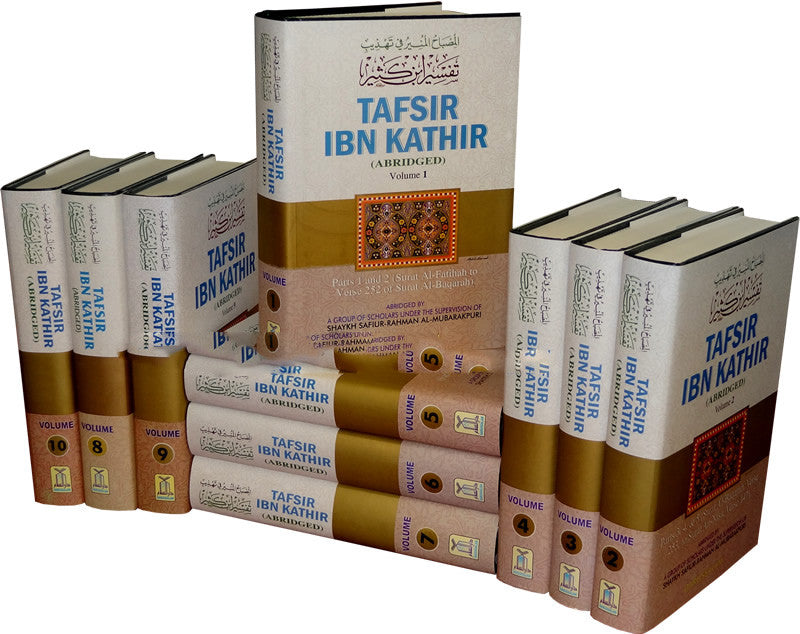
Explore Tafsir Ibn Kathir at HilalPlaza.
References