

A Collection Built Around Practice
Sunan Abi Dawud is one of the six principal Sunni hadith collections, compiled by Abu Dawud Sulayman ibn al-Ash‘ath al-Sijistani. Its particular importance lies in its attention to reports relevant to religious practice and legal rulings. Readers encounter the Sunnah in relation to questions people actually face about worship, family obligations, transactions, and conduct. [1]
The word Sunan signals the collection’s close relationship with practical guidance. Its chapters bring reports into organized discussions rather than presenting them as an undifferentiated list. That arrangement made the work especially useful for jurists, who needed to consider the textual evidence associated with a particular legal subject.
Abu Dawud also left a letter to the people of Makkah explaining aspects of his selection method. This is an unusually helpful companion to the collection because it allows us to hear the compiler describe his own aims. Understanding a book begins partly with understanding what its author intended it to do. [2]
Why His Letter Matters
In the letter, Abu Dawud discusses the reports he selected, his preference for brevity in places, and his treatment of narrations with weaknesses. These comments prevent a common misunderstanding: Sunan Abi Dawud is not a collection in which every individual report automatically receives the same authenticity judgment.
His silence about a particular narration also requires careful interpretation. Scholars have discussed the meaning and application of his terminology, including what he considered suitable for inclusion. We should not turn a brief statement about his method into a blanket claim that every unmarked report is sahih according to every later hadith critic.
The legal arrangement is equally significant. A chapter may bring several reports together because their details affect how a ruling is understood. One narration might establish a general teaching while another supplies a qualification. Deriving a conclusion involves considering the evidence together, not simply finding one line that appears to answer the question.
What a Modern Reader Can Learn
For an interested reader, this book reveals the close relationship between hadith and jurisprudence. The Sunnah was preserved, examined, arranged, and discussed because Muslims wanted to know how to worship Allah and fulfill their obligations. The technical work served a practical religious purpose.
A useful study routine is to choose a short chapter and read it with reliable commentary and hadith assessments. Identify the issue being discussed before drawing a conclusion. If narrations appear to differ, record the question rather than forcing a quick resolution. What initially looks confusing may be precisely the point a commentator can clarify.
Translations and modern editions sometimes place an editor’s grading beside a report. That information can be helpful, but the reader should know whose assessment it is. Abu Dawud’s own comments, a later critic’s judgment, and a translator’s explanatory note should remain distinguishable. Their presence on the same page does not make them one voice.
The collection also offers a lesson in intellectual honesty. Preserving a report and discussing its weakness can serve knowledge better than silently presenting it as certain. A responsible introduction to Sunni scholarship should make room for this evaluative work rather than conceal it.
Sunan Abi Dawud remains a major book because it places prophetic guidance in direct conversation with the demands of religious life. Read carefully, it can deepen both our appreciation of the Sunnah and our respect for the scholarship required to apply it well.
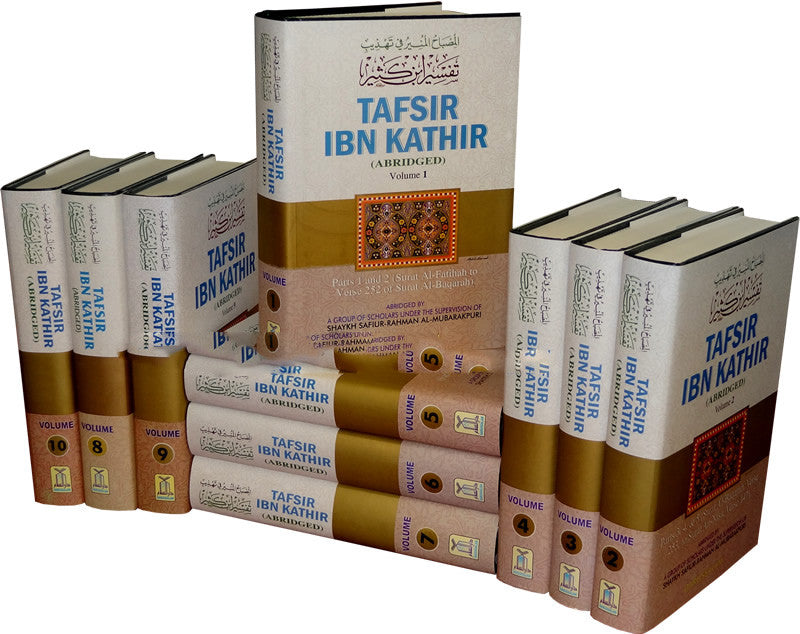
Explore Tafsir Ibn Kathir at HilalPlaza.
References