

A Book for the Shape of Daily Life
Riyad al-Salihin, compiled by Yahya ibn Sharaf al-Nawawi, is one of the most familiar Sunni books of practical religious learning. Its title, Gardens of the Righteous, suits a collection concerned with cultivating worship, character, and obedience. The book brings Qur’anic verses and prophetic hadith into chapters organized around the believer’s daily responsibilities.
It addresses sincerity, repentance, patience, truthfulness, family relationships, treatment of neighbors, speech, manners, remembrance, and worship. These subjects show the breadth of righteousness. Religious growth concerns the prayer we perform, but it also concerns how we respond to irritation, honor a trust, and speak when someone is absent. [1]
Al-Nawawi’s arrangement is part of the book’s usefulness. Relevant verses commonly introduce a subject before the hadith are presented. This helps readers see the Sunnah in relation to Qur’anic guidance rather than as a separate collection of moral sayings detached from revelation.
Why Sincerity Comes First
The opening chapter concerns sincerity and intention. Its first hadith is the report from ‘Umar about actions and intentions. Beginning here places a searching question before every later chapter: what are we seeking through the good we do? Outwardly similar actions can be directed toward very different purposes. [2]
This order is particularly helpful for readers who already know many religious duties. Sometimes the problem is not a lack of information about what to do. It is distraction, pride, inconsistency, or the desire to be noticed. A collection that begins with intention reminds us to examine the person performing the action.
Other chapters bring equally concrete concerns into focus. Restraining speech, fulfilling promises, respecting parents, and dealing gently with people are treated as matters of faithfulness to Allah. We are encouraged to recognize opportunities for obedience in ordinary situations that might otherwise seem too small to deserve religious attention.
Turning Reading into a Practice
The book works well for steady personal reading and study circles because its chapters offer manageable subjects. A family might read a few reports on kindness or truthfulness and discuss a practical application. A reader working on anger might return to relevant chapters over several weeks rather than rush through the collection.
Al-Nawawi aimed to select sound material, but a factual introduction should still distinguish his selection from a claim that every narration has received identical grading from all later specialists. A dependable edition with hadith references and explanatory notes helps readers check individual reports and understand questions where scholars differ.
We should also resist reducing the book to attractive quotations. A hadith about sincerity, for example, deserves more than admiration. It invites us to reconsider a particular habit: how we give charity, speak about our accomplishments, or react when someone else receives credit. That application should remain connected to the report’s actual meaning.
A useful routine is to write one sentence after each reading: what will I practice before returning to this chapter? The answer should be modest enough to attempt and specific enough to recognize. This is a reading method we can use, rather than a claim that the compiler prescribed that exact routine.
Riyad al-Salihin matters because it keeps knowledge close to conduct. Its enduring invitation is to let revealed guidance shape the small, repeated choices through which the character of a life gradually becomes visible.
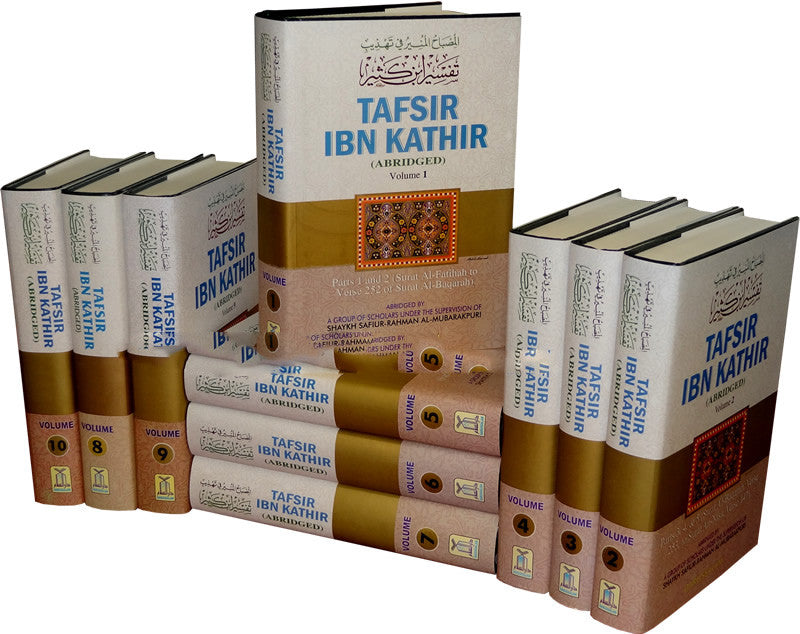
Explore Tafsir Ibn Kathir at HilalPlaza.
References