

More Than a Collection of Reports
Jami‘ al-Tirmidhi gives readers something especially valuable: a window into the conversation surrounding a hadith. Its compiler, Abu ‘Isa Muhammad ibn ‘Isa al-Tirmidhi, does not merely present narrations. He frequently comments on their standing, names other Companions who transmitted related material, and explains how scholars understood or acted upon a report.
The collection belongs to the six principal Sunni books of hadith. Its range includes worship and legal questions, but also character, Qur’anic interpretation, supplication, virtues, and other subjects. The title Jami‘ reflects this breadth. It is widely known as Sunan al-Tirmidhi as well. [1]
For a student, its special contribution is the connection between transmission and scholarly practice. A report has a chain and wording, but it also enters a history of interpretation. Al-Tirmidhi often helps us see those layers together instead of imagining that learning hadith consists only of memorizing isolated translated sentences.
Learning from His Comments
Al-Tirmidhi uses technical terms such as sahih, hasan, and gharib. These words have specific scholarly meanings and should not be reduced to ordinary impressions. Gharib, for example, concerns a form of singularity in transmission; it does not simply mean that a teaching sounds strange or is necessarily false.
He sometimes combines grading terms in a way that later specialists discuss at length. Such discussions remind us that classical hadith terminology developed within scholarly practice. An English label can be useful, but a full understanding may require attention to how a particular compiler uses a term in context.
His comments about the practice of scholars are equally instructive. The collection often identifies positions associated with earlier authorities or legal schools. This helps us understand that interpreting the Sunnah involves questions about wording, transmission, and the relationship between evidence and practice. The commentary surrounding the narration is therefore part of the book’s distinctive value.
Why It Deserves Patient Reading
The work contains narrations of different grades. Its inclusion among the six major collections does not mean that every report is authentic. A careful edition identifies the compiler’s comments and distinguishes them from later grading. When quoting a narration, we should verify the particular report rather than rely on the collection’s name alone.
A helpful reading method is to pause after the hadith and ask three questions. What does the report say? What does al-Tirmidhi say about it? What does he tell us about scholarly understanding or practice? These questions keep the text and the discussion around it connected.
This method can also soften how we approach legitimate legal disagreement. When a major hadith compiler records more than one scholarly position, we are reminded that serious study can involve careful differences. That recognition does not make all conclusions equal; it helps us understand why assessing them requires knowledge.
We can apply the same discipline to religious material shared online. A beautiful quotation should lead us back to its source, wording, and assessment. Al-Tirmidhi’s habit of discussing reports encourages us to ask better questions before confidently attributing words to the Prophet, may the peace and Allah’s blessings be upon him.
Jami‘ al-Tirmidhi remains important because it teaches readers to look beyond the existence of a narration toward its transmission and interpretation. It preserves prophetic guidance while introducing us to the scholarly effort through which that guidance was studied.
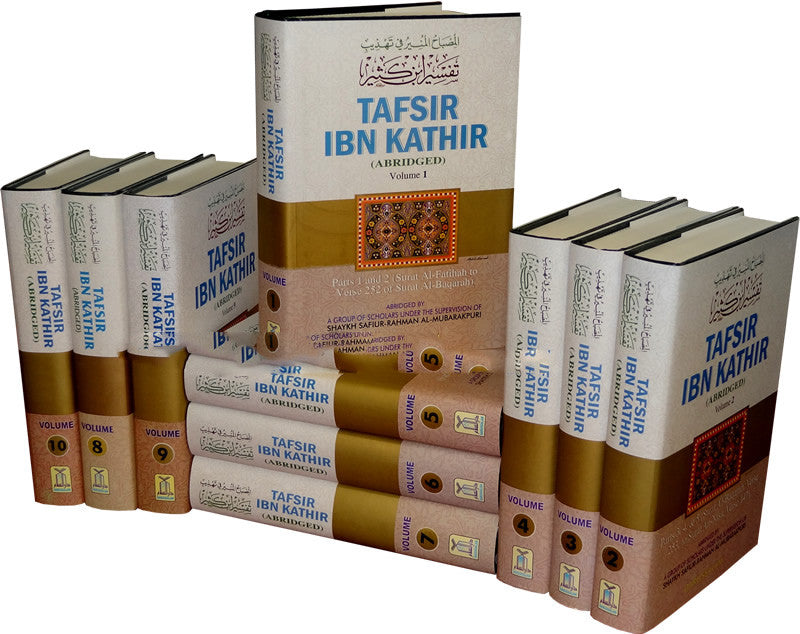
Explore Tafsir Ibn Kathir at HilalPlaza.
References