

Where Explanation Meets Responsibility
What does a Qur’anic verse require of us? Al-Qurtubi’s Al-Jami‘ li-Ahkam al-Qur’an repeatedly brings the reader back to that question. This major Sunni commentary explains the whole Qur’an while giving particular attention to legal rulings. Its author, Abu ‘Abd Allah Muhammad ibn Ahmad al-Qurtubi, writes as a scholar deeply engaged with both revelation and jurisprudence.
The title highlights rulings, but the book is not simply a list of permitted and prohibited actions. It discusses Arabic vocabulary, grammar, Qur’anic readings, prophetic reports, and questions of interpretation. Its legal emphasis operates within a much wider effort to understand the meanings of the verses. [1]
In his introduction, al-Qurtubi explains that he intends to attribute statements to their speakers and hadith to their compilers. He also describes arranging legal discussions as individual questions. These commitments help explain the commentary’s detailed organization and its continuing usefulness as a scholarly reference. [2]
A Verse Can Open Several Questions
His treatment of Al-Fatihah shows how much can lie within a familiar passage. The opening formula raises linguistic and legal questions, including its relationship to the surah and its place in recitation. Al-Qurtubi presents scholarly positions and examines their supporting evidence rather than assuming that every reader already knows the underlying debate. [3]
Although he belongs to the Maliki legal tradition, he regularly discusses other jurists and schools. A factual introduction should therefore identify his school without reducing the book to a defense of one school’s conclusions. Readers encounter a wider scholarly conversation about what the evidence establishes and how a ruling follows from it.
This is valuable because a disagreement may arise at several different points. Scholars may assess a report differently, understand a word differently, or disagree about how two texts fit together. Seeing those steps can replace impatience with a more informed appreciation of the work involved in deriving religious rulings.
How We Can Benefit Today
Al-Qurtubi helps us resist a common habit: quoting a verse about a practical matter without examining its context or the scholarship surrounding it. The commentary asks us to slow down. What does the passage actually say? What did earlier scholars understand? What other evidence affects the conclusion?
The book also reminds us that worship and social responsibility belong within the same religious life. Qur’anic guidance concerns prayer and fasting, but it also concerns contracts, family obligations, justice, and the treatment of others. Studying its legal dimensions can make us more attentive to rights we might otherwise overlook.
Because the work is extensive, readers should distinguish a complete Arabic edition from a translation of selected volumes or an abridgment. A clear edition description matters more than an impressive cover. For complex contemporary applications, reading a classical discussion should support consultation with qualified scholars rather than substitute for it.
We can begin with a passage relevant to a current area of learning, then note the principal questions al-Qurtubi raises. Even a small amount of attentive reading can reveal the distance between recognizing a verse and understanding its implications. That discovery should produce humility rather than discouragement.
Al-Jami‘ li-Ahkam al-Qur’an remains important because it treats understanding as a responsibility. The aim is not merely to collect explanations, but to bring belief, worship, and dealings with people under the guidance of Allah’s Book.
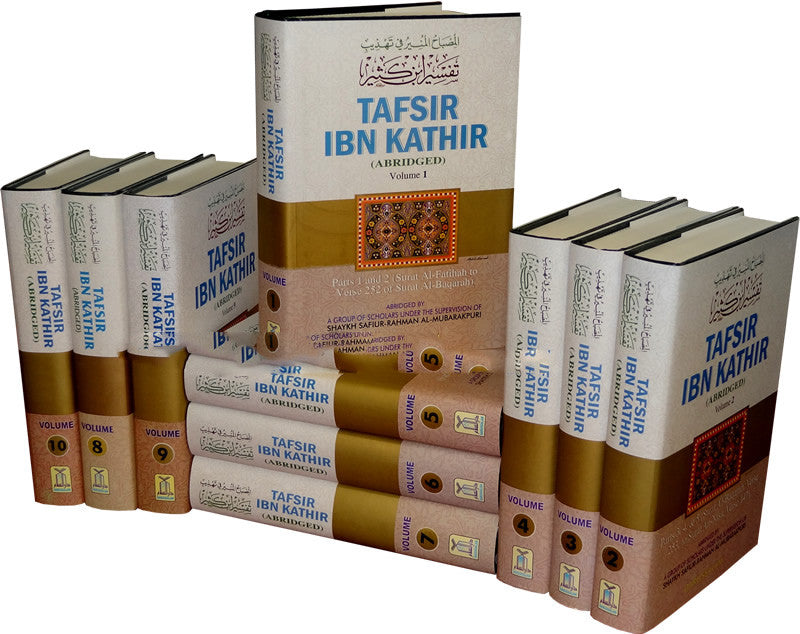
Explore Tafsir Ibn Kathir at HilalPlaza.
References