

An Essential Collection of Prophetic Guidance
Sahih Muslim, compiled by Muslim ibn al-Hajjaj al-Naysaburi, stands beside Sahih al-Bukhari at the center of Sunni hadith study. Together they are known as the two Sahihs. Muslim’s collection preserves authenticated prophetic reports while giving readers an especially valuable view of how related narrations travel through different chains and wordings. [1]
The work addresses faith, purification, prayer, fasting, charity, pilgrimage, commercial transactions, family matters, remembrance, character, and many other subjects. This range helps us understand the Sunnah as guidance for an entire life. It joins outward acts of worship with responsibilities that arise in households, marketplaces, and relationships.
Muslim’s introduction is also important in its own right. It discusses transmission, the responsibility to distinguish reliable reporting from unreliable material, and questions concerning narrators and chains. Before we reach many of the collection’s practical teachings, we are reminded that religious knowledge requires care about its sources. [2]
The Value of Reading Narrations Together
One of the collection’s distinctive strengths is its grouping of related versions. A reader may find the principal report followed by other chains or slightly different wording. These are not merely extra lines to skip. They help specialists compare transmission and can clarify what a narrator added, abbreviated, or expressed differently.
This arrangement teaches us something about precision. Two reports can convey the same teaching while differing in a detail that deserves attention. A responsible reader does not quietly combine every wording into one invented quotation. We should identify the version we are using and preserve the distinction between translation, paraphrase, and direct quotation.
Muslim’s introduction likewise makes clear that narrators do not all occupy the same level of accuracy. Scholarly evaluation considers both trustworthiness and proficiency in reporting. Respect for the Sunnah includes the willingness to examine transmission, rather than assuming that sincerity alone guarantees an accurate account of someone else’s words.
Bringing Careful Reading into Daily Life
For most readers, a sound commentary makes Sahih Muslim more accessible. Imam al-Nawawi’s explanation is particularly well known. It addresses difficult words, the relationship between reports, and scholarly discussions of their implications. Such help can prevent us from mistaking our first impression of a translated sentence for the full meaning.
Contemporary printed editions may contain detailed chapter headings supplied or developed by commentators and editors. We should therefore avoid automatically assigning every heading we see to Imam Muslim himself. Distinguishing the original collection from its later explanatory apparatus is part of reading a classical book accurately.
A practical way to begin is to study one subject, such as prayer or repentance, with an explanation alongside the text. Notice what the reports establish together. Then identify one action to improve. The aim is neither to hurry through hundreds of narrations nor to collect quotations without understanding their setting.
The collection also challenges our everyday approach to sharing religious information. If scholars examined chains and wording so carefully, we should be reluctant to forward an unattributed saying simply because it sounds beautiful. Checking the source is itself an act of respect.
Sahih Muslim remains important because it combines a central body of prophetic guidance with a powerful example of precision. It calls us to care about what we believe, what we practice, and what we confidently attribute to the Messenger of Allah, may the peace and Allah’s blessings be upon him.
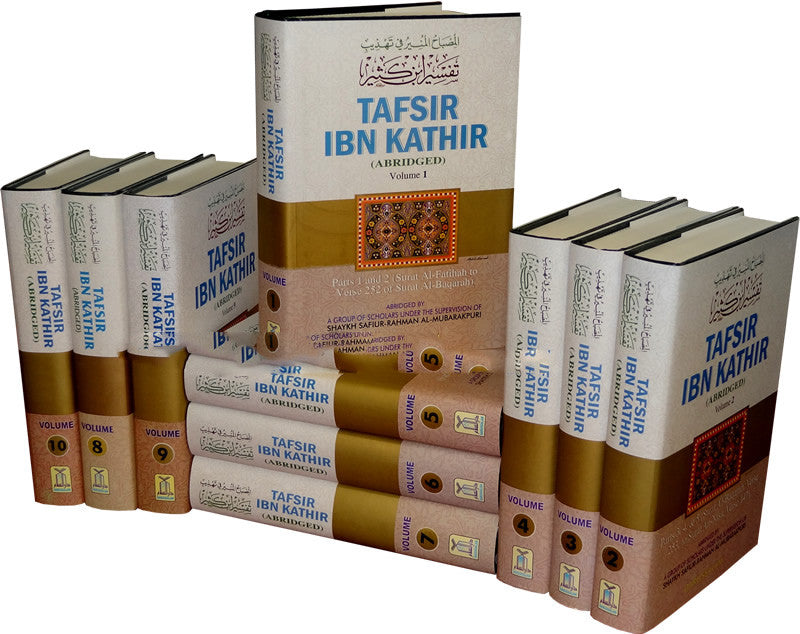
Explore Tafsir Ibn Kathir at HilalPlaza.
References