

Preserving the Sunnah with Care
Sahih al-Bukhari occupies an exceptional place in Sunni scholarship. Compiled by Muhammad ibn Isma‘il al-Bukhari, it brings together prophetic reports selected according to demanding standards of transmission. Sunni scholars generally give it the highest overall standing among individual hadith collections. That recognition concerns a scholarly achievement built through examination, comparison, and careful selection.
The book covers far more than ritual worship. Its sections address revelation, faith, knowledge, prayer, commercial dealings, family life, character, prophetic history, and other subjects. Its breadth shows how the Sunnah informs the believer’s whole life rather than a narrow set of religious occasions. [1]
Al-Bukhari did not claim to include every authentic hadith. Nor should every item printed around the main reports be treated as though it has precisely the same form or status. Chapter headings, Companion statements, and suspended citations serve particular purposes that commentators explain. Knowing these distinctions makes reading more accurate.
Why the Arrangement Matters
The collection opens with the hadith about intentions. Its placement immediately gives the reader a question that reaches beyond transmission: why are we doing what we do? Learning, worship, migration, and ordinary actions all require attention to purpose. The opening is therefore spiritually significant as well as technically important. [2]
Al-Bukhari also communicates understanding through his chapter headings. A report can appear in more than one place because different parts of it illuminate different questions. Repetition often serves a purpose. The reader who notices the heading can begin to see why a particular narration has been brought into that discussion.
This arrangement is one reason a good commentary is so valuable. A translated hadith may seem straightforward while its relationship to the heading, its wording in another chapter, or the legal issue behind it remains unnoticed. Ibn Hajar’s Fath al-Bari became a major resource for examining precisely these kinds of questions.
Reading with Reverence and Understanding
A beginner can benefit from Sahih al-Bukhari without attempting to become a hadith specialist overnight. Start with a clearly defined subject and read with explanation. Notice who is speaking, what circumstances are described, and whether the passage records a command, an action, an approval, or a report about a particular event.
We should also avoid using an isolated narration to settle a complex question without considering the rest of the evidence. Sunni jurists study related reports, Qur’anic passages, context, and principles of interpretation. The authenticity of a narration and the complete legal conclusion drawn from it are connected questions, but they are not identical.
The book’s stature should encourage humility about the effort required to understand it. It should also increase gratitude for the scholars who preserved the prophetic inheritance. Their attention to narrators and wording reflects a conviction that attributing something to the Messenger of Allah, may the peace and Allah’s blessings be upon him, is a serious responsibility.
For our own reading, a useful habit is to record one teaching and one question from each session. The teaching invites action; the question invites further study. This keeps devotion and learning together.
Sahih al-Bukhari matters because it helps connect the Muslim community with the Prophet’s guidance through a rigorously studied body of reports. Its highest benefit appears when reliable knowledge becomes more faithful worship, more truthful speech, and more careful treatment of others.
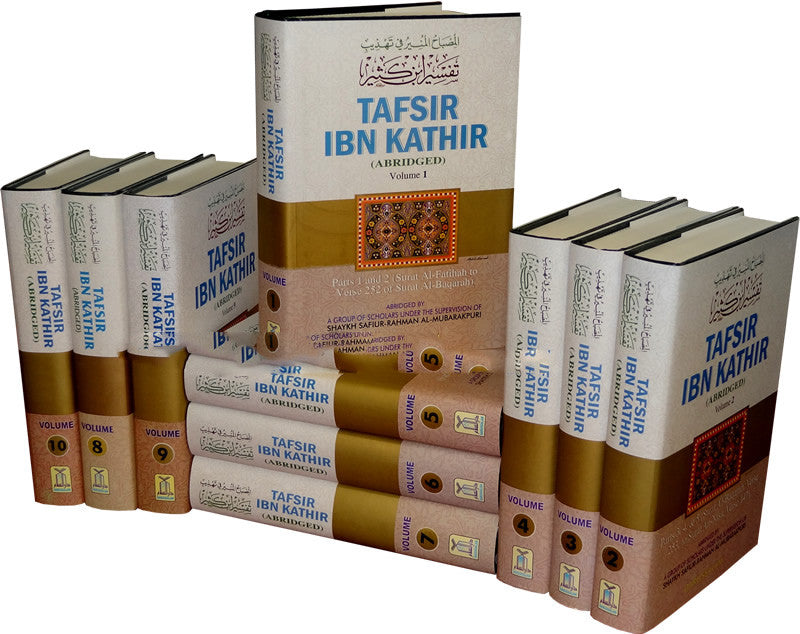
Explore Tafsir Ibn Kathir at HilalPlaza.
References