

A Clear Voice in Classical Tafsir
Some classical books impress us through their size. Others become valuable because they help us see a subject more clearly. Ma‘alim al-Tanzil, commonly called Tafsir al-Baghawi, belongs prominently to the second group. Its author, al-Husayn ibn Mas‘ud al-Baghawi, brings together transmitted explanations of the Qur’an in a presentation valued for its relative clarity.
The commentary follows the order of the surahs and explains verses through prophetic reports, statements of the Companions and their successors, and discussions of Arabic meaning. It also considers Qur’anic readings and legal questions where they arise. Its accessibility should not obscure the range of scholarship behind it. [1]
Al-Baghawi belongs to the Sunni tradition of transmitted interpretation, and he was also a Shafi‘i jurist and hadith scholar. Those areas meet in the commentary. Narration, language, and law are not presented as unrelated subjects; each can help establish what a verse means and how it guides the believer.
What We Find Inside the Commentary
In his treatment of Al-Fatihah, al-Baghawi discusses the opening formula, the names and meanings associated with the surah, and explanations inherited from earlier authorities. The reader encounters linguistic explanation alongside transmitted material. Even a passage recited every day can open into questions we had never thought to ask. [2]
The work also introduces alternative explanations where the early scholarly record contains them. These alternatives do not always represent contradictions. They may describe different aspects of the same guidance. Reading with that possibility in mind helps us avoid turning every difference of expression into a disagreement about the substance.
Like other classical commentaries, Ma‘alim al-Tanzil must be read with attention to the status of individual reports. Its respected position does not mean that every narrative detail has the standing of an authentic prophetic hadith. Stories about earlier peoples especially require a distinction between established revelation and supplementary material transmitted by commentators.
A Useful Companion for Steady Study
For someone building a relationship with tafsir, al-Baghawi can provide a useful bridge between a brief explanation and a much larger commentary. We can follow the main meaning without immediately entering the extensive chains and debates found in some other works. More difficult questions can then become subjects for further learning.
A sensible approach is to read a short Qur’anic passage first and write down its apparent subject. Then consult the commentary and ask what it adds: a word meaning, a transmitted explanation, a connection with another verse, or a legal consideration. This makes study active and helps prevent merely passing our eyes over the page.
Edition choice matters here as well. Modern abridgments of al-Baghawi exist, and their selection decisions should not be attributed automatically to the original author. A trustworthy edition identifies its editor or abridger and explains what has been omitted. Clear publication information protects the reader from confusing different versions of a work.
We should also remember the purpose of the exercise. Understanding a grammatical point or an early explanation should eventually improve our attention to Allah’s words. Technical knowledge has value, but the reader’s relationship with revelation should deepen alongside it.
Ma‘alim al-Tanzil continues to matter because it offers access to an inherited conversation about the Qur’an without losing sight of explanation itself. It invites steady reading, careful questions, and a willingness to learn from the generations who came before us.
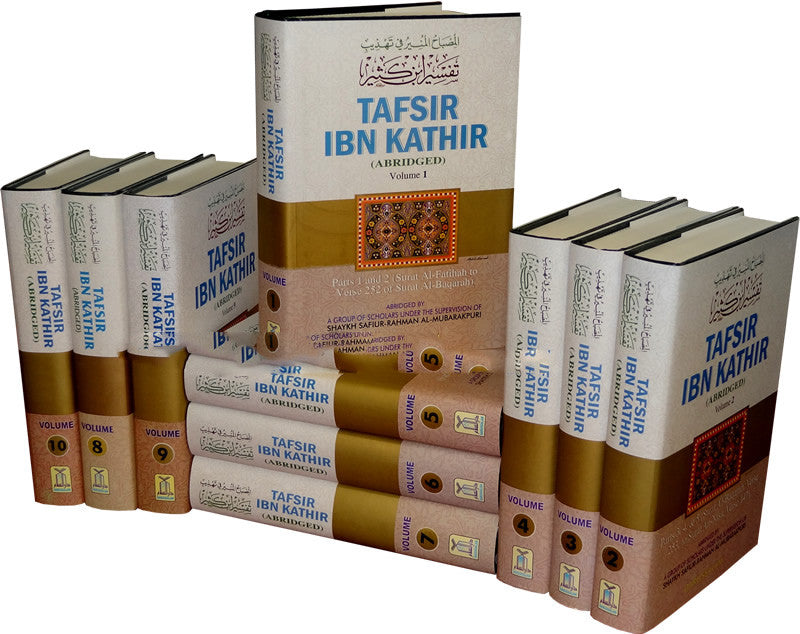
Explore Tafsir Ibn Kathir at HilalPlaza.
References