

Understanding the Book Behind the Hadith
Reading an authentic hadith and understanding the full scholarly discussion around it are different stages of learning. Fath al-Bari, by Ahmad ibn ‘Ali ibn Hajar al-‘Asqalani, helps bridge that distance. It is a major Sunni commentary on Sahih al-Bukhari, explaining the collection’s narrations, language, chains, and arrangement.
Ibn Hajar brings together earlier scholarship while adding detailed analysis of his own. His work examines differences in wording, identifies narrators, discusses legal conclusions, and explores why al-Bukhari placed a report beneath a particular heading. The commentary therefore helps us read both the hadith and the compiler’s use of it. [1]
This is especially important because al-Bukhari often expresses legal understanding through chapter titles. Without explanation, a reader may understand the general sense of a narration while missing the specific question it answers in that location. Fath al-Bari makes many of these relationships visible.
One Hadith Can Open Many Questions
The commentary on the opening hadith about intentions gives a good example. Ibn Hajar considers variations in wording, the meaning of intention, and the relationship between the report’s clauses. He also discusses legal questions arising from the place of intention in acts of worship. [1]
This detailed attention should not be mistaken for losing the spiritual point. The hadith’s call to sincerity remains central, but its wording also has consequences for understanding religious actions. A careful commentary can preserve both dimensions: what the report asks of our hearts and what its language establishes for religious practice.
Ibn Hajar also compares the report as it appears in different places in al-Bukhari. A version cited in a later legal discussion may have wording or emphasis suited to that chapter. His explanation of the intentions report in the section on manumission illustrates how the same narration can be revisited for a different purpose. [2]
Why This Commentary Continues to Matter
Fath al-Bari shows how much intellectual work lies behind a brief legal or devotional conclusion. Scholars consider transmission, Arabic usage, related evidence, and previous interpretations. We may agree with a conclusion without having mastered every step, but seeing those steps should make us more careful about dismissing scholarship we have not examined.
The book is extensive and often technical. Beginners can benefit from selected passages with a teacher or from dependable explanations that draw upon it. Reading a short section carefully is more useful than assuming that possession of the complete set automatically makes a difficult question straightforward.
Ibn Hajar’s views should also be identified as his views. He is an exceptionally influential Sunni scholar, but his individual legal or theological judgments are not automatically unanimous positions. Faithful presentation respects his contribution while acknowledging the wider scholarly conversation in which he participates.
For practical reading, choose a hadith already familiar to you and compare your first understanding with the questions Ibn Hajar raises. Notice a word, a context, or a connection you had overlooked. That exercise can train humility and show how greater precision often produces richer understanding.
Fath al-Bari remains important because it demonstrates the depth of Sunni engagement with the prophetic inheritance. It encourages us to move from collecting quotations toward understanding them, and from admiration for scholarship toward a more responsible way of learning.
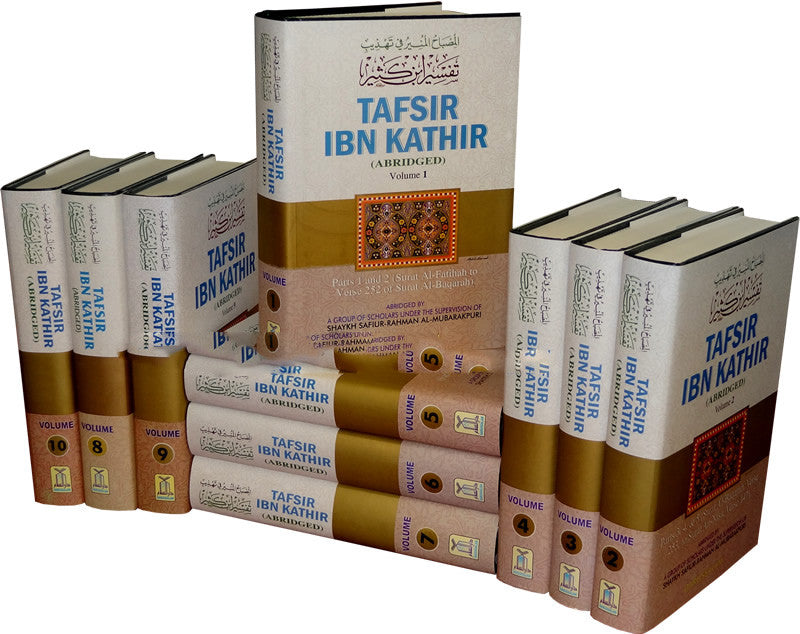
Explore Tafsir Ibn Kathir at HilalPlaza.
References