

A Small Collection with Wide Reach
Al-Nawawi’s Forty Hadith is a compact introduction to principles that run through Muslim belief, worship, and character. Its compiler, Yahya ibn Sharaf al-Nawawi, selected reports with broad religious significance. Although known as the Forty, the familiar collection contains forty-two hadith. Its small size has made it especially suitable for memorization and guided study. [1]
The book is not organized as a complete legal manual. Instead, it gathers teachings that help us understand the foundations beneath many particular duties. Intentions, the meaning of Islam and faith, lawful and unlawful matters, sincere counsel, brotherhood, restraint, and repentance all appear within its limited compass.
That selection explains why the collection can reward repeated reading. A person may memorize a short report early in life, then recognize new applications as responsibilities grow. The words remain the same, while experience reveals how widely their guidance reaches into work, family life, worship, and the treatment of others.
Several Teachings That Hold the Collection Together
The first hadith concerns actions and intentions. It asks us to examine what directs our conduct. Learning the outward form of a good action is necessary, but so is asking why we perform it. The opening therefore places sincerity at the entrance to the entire collection. [2]
The sixth hadith discusses clear lawful and unlawful matters, doubtful matters, and the heart’s relationship with the condition of the body. Its closing image joins outward restraint with inward health. Religious carefulness is not merely an effort to appear disciplined; it concerns the source from which our choices arise. [3]
The thirteenth hadith connects faith with loving for one’s brother what one loves for oneself. This takes us beyond private religious achievement. We are asked to examine envy, rivalry, and the ease with which we reserve generosity for our own interests. The teaching invites an active concern for another person’s good. [4]
How to Study It Without Reducing Its Meaning
Memorization is valuable, but a short text can still require substantial explanation. The hadith of Jibril, for example, introduces Islam, faith, excellence in worship, and the Hour. Reading it with commentary helps us understand the relationship between those subjects rather than treating them as a list of unrelated definitions.
The collection also needs accurate referencing. Hadith numbers within the Forty identify positions in al-Nawawi’s selection; the original reports come from larger source collections. A dependable edition supplies those sources and discusses individual authenticity questions where needed. Its fame does not remove the ordinary responsibility to verify a quotation.
For a study routine, we can take one hadith at a time and ask what principle it establishes, what misunderstanding should be avoided, and what action it calls for. Those questions encourage both understanding and practice. They also make room for a teacher to clarify a difficult expression before it becomes a confident mistake.
The final report in the familiar forty-two-hadith arrangement turns attention to Allah’s forgiveness. After the collection has challenged intentions and conduct, the reader is reminded of the importance of returning to Allah. Accountability and hope remain together rather than canceling each other. [5]
Al-Arba‘in al-Nawawiyyah matters because it gives readers a manageable entrance into a much larger religious inheritance. Studied carefully, its brief reports can become principles by which we examine habits, make decisions, and seek a more sincere life.
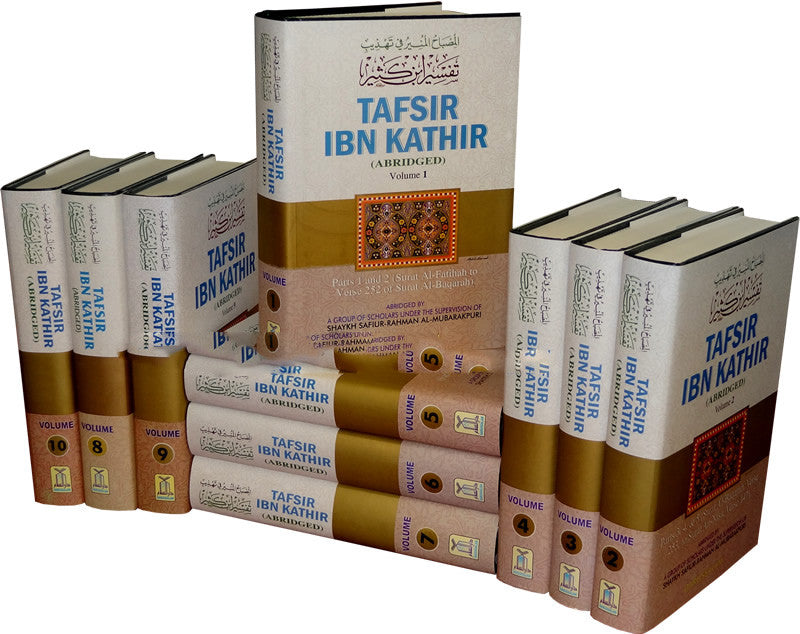
Explore Tafsir Ibn Kathir at HilalPlaza.
References